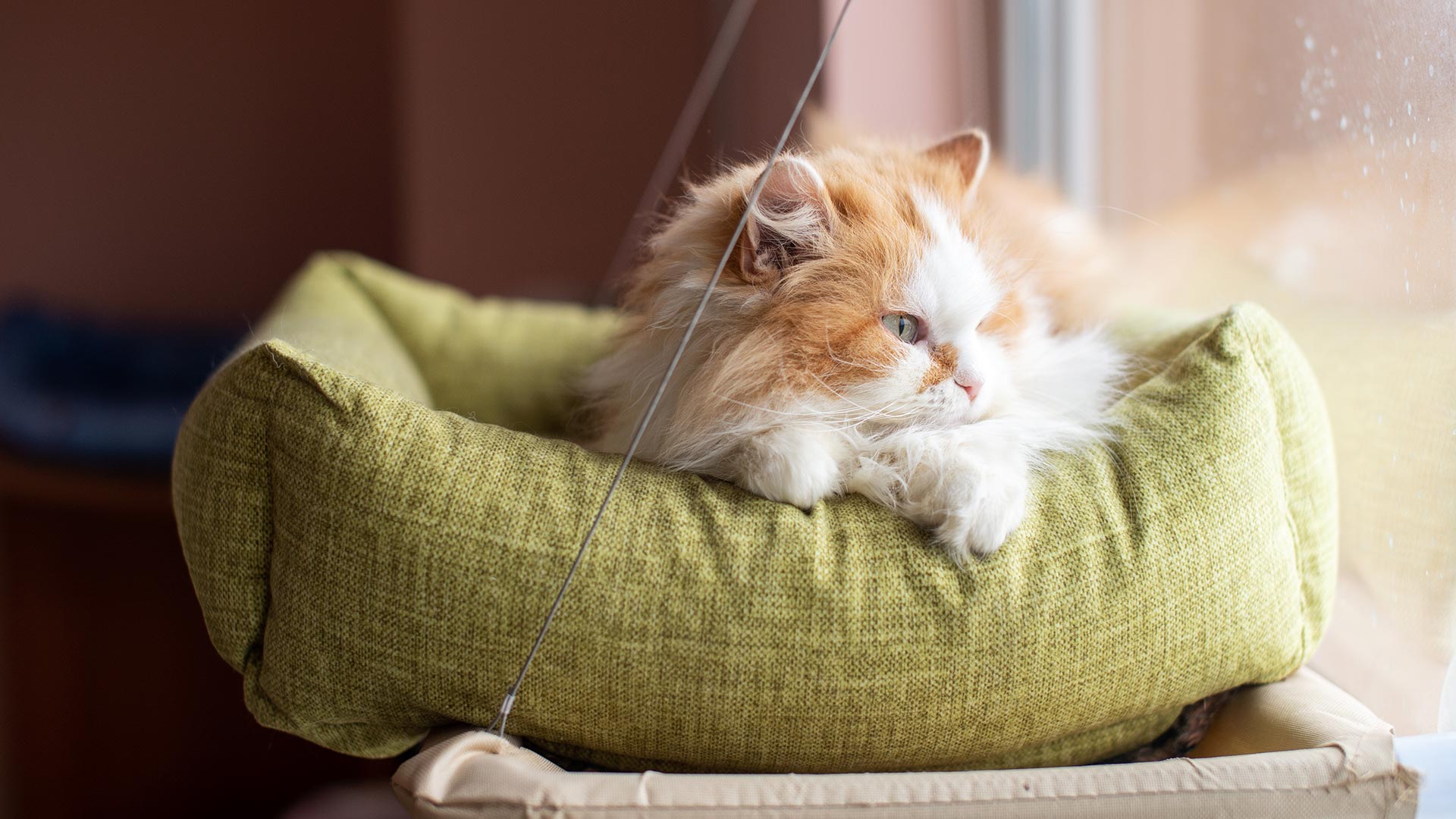
Senior Pet Care in Aintree
VetCare Woodlea provides senior pet care in Aintree, VIC for aging dogs and cats. Our veterinarians focus on comfort, mobility, early disease detection, quality of life, and practical guidance to support older pets and their families.
Support for Aging Dogs and Cats
Senior pets often benefit from more regular monitoring because health changes can develop gradually. At VetCare Woodlea, senior care may include physical exams, mobility discussions, weight monitoring, dental checks, bloodwork recommendations, urinalysis, nutrition guidance, and quality-of-life conversations when needed.
Comfort Focus
Care plans consider mobility, appetite, behaviour, pain, and daily wellbeing.
Early Monitoring
Routine checks help identify age-related changes before they progress.
Senior Pet Care FAQs
Find answers about caring for older dogs and cats at VetCare Woodlea.
What does senior pet care include?
Senior pet care at VetCare Woodlea may include a physical exam, mobility assessment, weight monitoring, dental evaluation, nutrition advice, bloodwork recommendations, urinalysis, and discussion of behaviour or comfort changes. The goal is to support older dogs and cats with care that reflects their age, health, and quality of life.
How often should my senior pet see the vet?
Many senior dogs and cats benefit from veterinary visits at least once a year, and some may need more frequent check-ups depending on their health. More regular visits can help detect changes in mobility, weight, dental health, organ function, appetite, and comfort before they become more serious.
What signs of aging should I watch for at home?
Watch for changes in appetite, thirst, urination, weight, mobility, stiffness, behaviour, sleep, breathing, grooming, or energy. These changes can be easy to dismiss as normal aging, but they may indicate pain, dental disease, arthritis, organ changes, or other health concerns that deserve veterinary attention.
Can senior pet care help with mobility problems?
Yes, senior pet care can help assess mobility concerns such as stiffness, limping, difficulty rising, reluctance to jump, or slower movement. VetCare Woodlea can discuss possible causes, recommend next steps, and help create a care plan to support your older pet’s comfort and daily activity.
When should I discuss quality of life for my senior pet?
You should discuss quality of life if your senior pet has ongoing pain, poor appetite, difficulty moving, repeated distress, chronic illness, or a noticeable decline in daily enjoyment. VetCare Woodlea can help you understand your pet’s comfort and talk through compassionate options when needed.
What to Expect at a Senior Pet Visit
A senior pet visit includes a detailed conversation about your pet’s home routine, comfort, appetite, mobility, behaviour, and any changes you have noticed. Our veterinarians may recommend diagnostic testing or follow-up care to better understand your pet’s health and support long-term wellbeing.
When Older Pets Need Extra Care
Small changes in senior pets can signal important health concerns.
Book a senior pet appointment if your dog or cat is slowing down, losing weight, drinking more, eating less, showing stiffness, having accidents, sleeping more, or behaving differently. Early attention can help improve comfort and guide practical care decisions.

Mobility Support
Veterinary guidance can help manage stiffness, pain, and activity changes.
Quality of Life
Care conversations focus on comfort, dignity, and daily wellbeing.